Electropolishing vs Traditional Polishing Which is Best for Stainless Steel
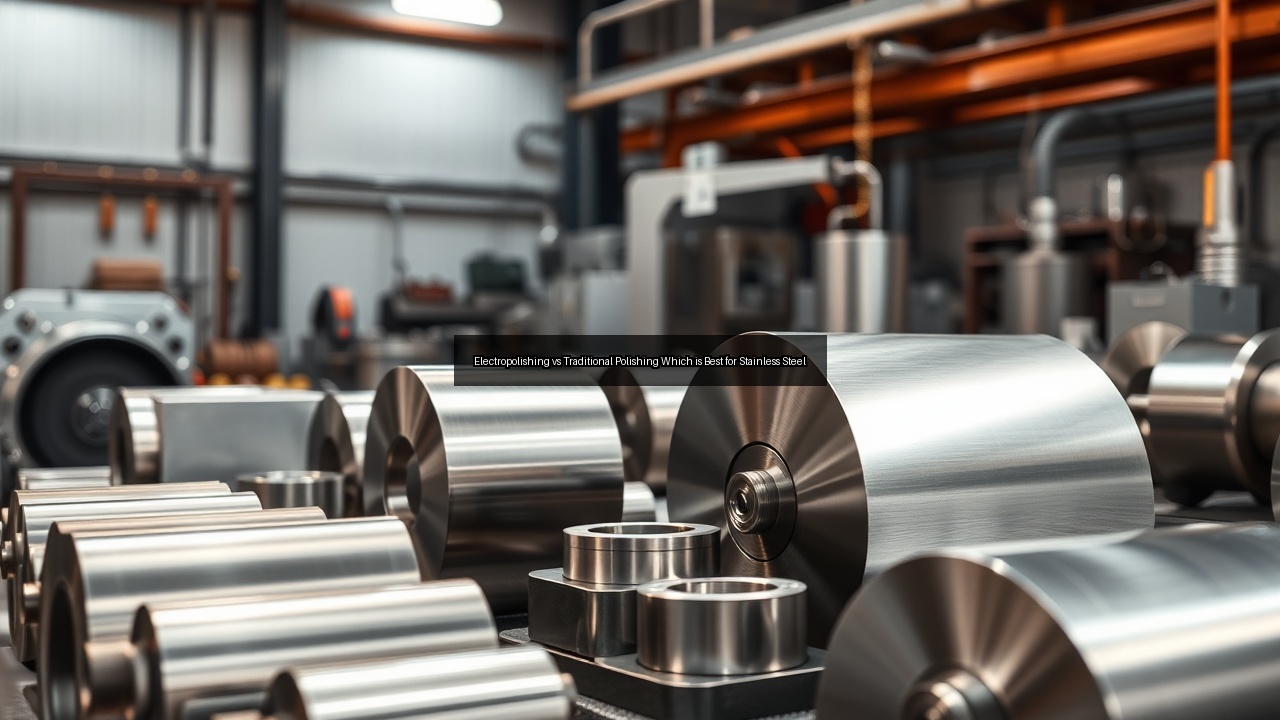
Understanding Electropolishing and Traditional Polishing
What is Electropolishing?
Electropolishing, often referred to as electro polishing, stands out as a sophisticated technique for finishing stainless steel products. This process involves immersing stainless steel parts in an electrolytic solution, typically containing phosphoric acid and sulfuric acid. An electric current then passes through the solution, removing a thin layer of material from the surface of the stainless steel. This process not only smoothens the surface but also enhances the material's properties, making it more resistant to corrosion. Unlike traditional polishing, which relies on mechanical abrasion, electropolishing provides a more uniform finish without scratches or imperfections. The result is a shiny, smooth surface that is highly desirable in various applications, particularly in industries where hygiene and aesthetic appeal are paramount, such as in the semiconductor sector and medical devices.
How Traditional Polishing Works
Traditional polishing employs mechanical methods to achieve a desired surface finish on stainless steel. This technique typically involves using abrasives or polishing compounds, which can be applied using cloths, wheels, or belts. The process often requires multiple steps, starting with coarse abrasives to remove imperfections and followed by finer abrasives to achieve a high-gloss finish. Although traditional polishing can effectively enhance surface aesthetics, it does have drawbacks. The mechanical action can introduce micro-scratches and inconsistencies, which may compromise corrosion resistance. Moreover, achieving a truly uniform finish can be challenging, especially on complex geometries. Traditional polishing remains popular due to its straightforward nature and the ability to address a variety of surface conditions, but it cannot match the performance benefits offered by electropolishing for stainless steels.
Key Differences Between Electropolishing and Traditional Polishing
Understanding the differences between electropolishing and traditional polishing is crucial for selecting the appropriate method for stainless steel products. First, the techniques differ significantly in the approach. Electropolishing uses an electrochemical process, while traditional polishing relies on mechanical abrasion. This fundamental distinction influences the resulting surface finish; electropolished stainless steel exhibits a smoother, more uniform surface compared to its mechanically polished counterpart, which may have micro-scratches and less consistency. Another critical difference lies in the corrosion resistance of the finished product. Electropolished surfaces generally offer superior protection electro polishing against rust and degradation, as the process removes contaminants and creates a more passive surface. Additionally, the efficiency and time required for each method can vary—electropolishing typically allows for faster processing of multiple parts simultaneously, while traditional polishing can be labor-intensive and time-consuming. Ultimately, the choice between these two methods hinges on the specific requirements of the application, including desired aesthetics, durability, and cost considerations.
Benefits of Electropolishing Stainless Steel
Enhanced Corrosion Resistance
Electropolishing stainless steel significantly enhances its corrosion resistance, a crucial property for various applications, particularly in industries like food processing, pharmaceuticals, and semiconductor manufacturing. The process removes surface contaminants, such as oxides, scales, and micro-impurities, which can lead to localized corrosion. By creating a smoother surface, electropolishing minimizes the chances of debris accumulation and inhibits the formation of corrosion cells. Stainless steels, particularly 316L, benefit greatly from this process as they possess a higher chromium content, which forms a protective passive layer on the surface. Enhanced corrosion resistance translates to longer service life and reduced maintenance costs for stainless steel products. This durability is essential for manufacturers looking to ensure the reliability and safety of their products in demanding environments. Furthermore, the ability to withstand harsh chemicals and extreme temperatures makes electropolished stainless steel a preferred choice in engineering applications.
Improved Surface Finish
The aesthetic appeal of stainless steel products often hinges on their surface finish. Electropolishing delivers a superior surface finish that surpasses traditional polishing methods. The electrochemical process produces a bright, reflective surface free from scratches, swirls, and other imperfections. This smooth finish not only enhances visual appeal but also provides functional benefits. A smoother surface reduces friction, which can be critical in applications involving moving parts or fluid dynamics. Additionally, the uniformity achieved through electropolishing aids in preventing bacterial adhesion, making it an ideal choice for industries requiring strict hygiene standards, such as food and beverage processing and medical equipment manufacturing. The improved surface finish also allows for easier cleaning and maintenance, promoting longevity and performance in stainless steel products. Manufacturers and engineers increasingly recognize the importance of aesthetics and functionality, making electropolishing an attractive option for high-quality stainless steel applications.
Applications in Semiconductor and Engineering
Electropolished stainless steel finds extensive applications in the semiconductor and engineering sectors, where precision and cleanliness are paramount. In semiconductor manufacturing, the need for contamination-free environments makes electropolishing an essential process. The smooth, passivated surfaces of electropolished components reduce the risk of particle contamination in cleanroom settings. This characteristic is vital for maintaining the integrity of delicate semiconductor devices, where even minute impurities can lead to significant failures. Moreover, the corrosion resistance offered by electropolished stainless steel ensures durability under harsh chemical processes involved in semiconductor fabrication. In engineering applications, electropolished components often serve in high-stress environments, such as pumps, valves, and heat exchangers. The enhanced surface finish and corrosion resistance contribute to improved performance and reliability, reducing the likelihood of equipment failure and maintenance costs. Manufacturers increasingly invest in electropolishing stainless steel services to meet the stringent demands of these industries, ensuring their products remain competitive and resilient in the market.
Choosing the Right Polishing Method for Stainless Steel Products
Factors to Consider: Function and Application
When selecting a polishing method for stainless steel products, several factors come into play. The intended function and application of the stainless steel components largely dictate whether electropolishing or traditional polishing is more suitable. For applications requiring high levels of corrosion resistance and a flawless aesthetic finish, electropolishing emerges as the clear winner. Industries such as pharmaceuticals, food processing, and biotechnology demand the highest hygiene standards, making electropolished surfaces essential. Conversely, if the primary goal is cost-effectiveness or if the application does not require stringent surface cleanliness, traditional polishing may suffice. Additionally, the complexity of the components plays a role; intricate designs may benefit from the uniformity of electropolishing, while simpler shapes might handle traditional polishing without significant issues. Ultimately, manufacturers must carefully evaluate the specific requirements of their products and applications to determine the most effective polishing method.
Manufacturers' Perspectives on Electropolishing
Manufacturers increasingly recognize the advantages of electropolishing stainless steel, viewing it as a valuable process that enhances product quality and performance. Many manufacturers appreciate the consistency and reliability that electropolished surfaces provide. The assurance of corrosion resistance and aesthetic appeal aligns with the demands of modern industries, where not only functionality but also appearance matters. Moreover, as competition intensifies across various sectors, adopting advanced techniques like electropolishing can differentiate manufacturers in the marketplace. The investment in electropolishing services often translates to long-term cost savings through reduced maintenance and longer product lifespans. Manufacturers also find that the enhanced cleanliness of electropolished surfaces can lead to fewer compliance issues in heavily regulated industries. As a result, electropolishing has become a preferred option for manufacturers looking to elevate their stainless steel products and meet the evolving needs of their customers.
Cost Analysis: Electropolishing vs. Traditional Polishing
Conducting a cost analysis between electropolishing and traditional polishing reveals essential insights for manufacturers. While the initial costs associated with electropolishing may be higher due to the specialized equipment and materials required, the long-term benefits often outweigh these expenses. Electropolishing provides superior corrosion resistance, reducing the likelihood of product failures and the costs associated with repairs and replacements. Additionally, the efficiency of electropolishing allows for the processing of multiple parts simultaneously, potentially lowering labor costs compared to the more time-consuming traditional polishing methods. Manufacturers should also consider the impact on product quality and customer satisfaction; investing in electropolishing can lead to enhanced brand reputation and increased market demand. Ultimately, a comprehensive cost analysis should account for both short-term expenses and long-term performance benefits, guiding manufacturers in their decision-making process.