Understanding Gear Failures and the Importance of Regular Overhauls
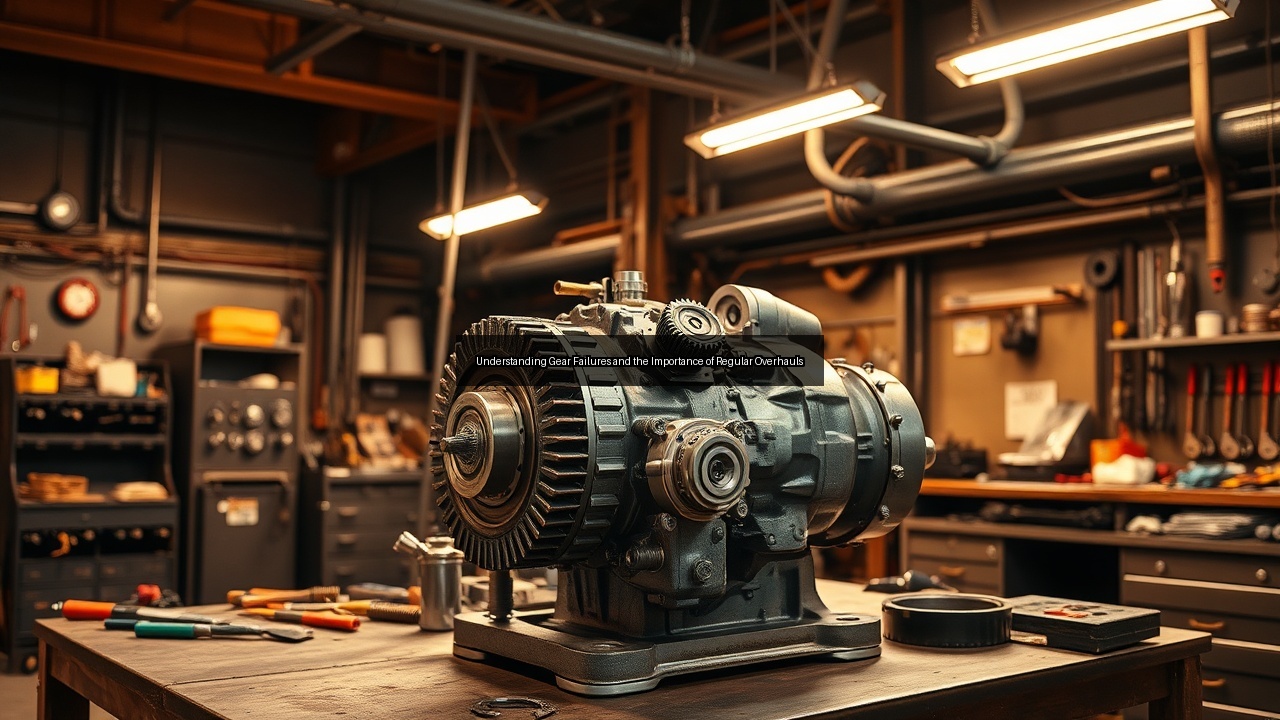
The Importance of Gearbox Overhauls for Longevity and Efficiency
Understanding Gear Failures: Common Causes and Effects
Gear failures can lead to significant operational disruptions and financial losses. Understanding the common causes of these failures is crucial for effective gearbox management. One of the primary reasons for gear failure is excessive wear and tear, often exacerbated by inadequate lubrication. Poor lubrication leads to increased friction, which accelerates the degradation of gears over time. Other factors include misalignment, which subjects gears to abnormal loads, and contamination from dirt or debris, which can cause pitting and surface fatigue. Environmental factors, such as extreme temperatures or humidity, can also impact gear performance, leading to premature failures.
The effects of gear failures extend beyond just mechanical breakdown. A malfunctioning gearbox can result in extended downtime, disrupting production schedules and leading to costly repairs. In critical applications like transmissions, the repercussions can be even more severe, potentially endangering safety. Therefore, recognizing these common causes allows businesses to implement preventative measures, minimizing the risk of failure and maximizing efficiency.
The Role of Preventative Maintenance in Gearbox Longevity
Preventative maintenance plays a pivotal role in extending the lifespan of gearboxes. Regular inspections and routine overhauls help identify potential issues before they escalate into serious problems. Scheduling maintenance checks at regular intervals allows technicians to assess the condition of gears and lubrication systems, ensuring optimal performance. Additionally, preventative maintenance can include vibration analysis and thermal imaging, which provide insights into the operational state of the gearbox.
By investing in regular overhauls, companies can avoid the more extensive costs associated with emergency repairs. An effective maintenance strategy often includes monitoring the lubrication quality and ensuring it meets the specifications for the specific gearbox type. This proactive approach reduces the likelihood of gear failures and maintains high efficiency levels across operations. The costs of these preventative measures pale in comparison to the expenses incurred from unplanned downtimes and gear failures, making them a worthwhile investment for any organization.
Costs Associated with Gearbox Repairs and Overhauls
The financial implications of gearbox repairs and overhauls can vary widely depending on the severity of the failure and the complexity of the gearbox. Minor repairs might only involve replacing worn gears or bearings, which could cost a few hundred dollars. However, extensive damage requiring a complete gearbox rebuild can escalate costs into the thousands. This includes not only parts but also labor and potential downtime costs.
Moreover, the costs incurred during a gearbox failure can extend beyond the immediate repair expenses. Lost production time, damage to associated equipment, and potential safety hazards contribute to the overall financial impact. Therefore, businesses must weigh the cost of routine maintenance against the risk of catastrophic gearbox failures. Investing in scheduled overhauls reduces long-term costs, ensuring efficient operation while safeguarding against unexpected financial burdens.
Analyzing Gear Failures: Techniques and Strategies
Failure Analysis: Identifying Root Causes of Gearbox Issues
Conducting a failure analysis is essential for identifying the root causes behind gearbox issues. This systematic approach involves a detailed examination of the failed components, reviewing operational data, and assessing environmental conditions. Various techniques, such as metallurgical analysis, can gearbox overhaul reveal the underlying reasons for gear failures, whether they stem from mechanical fatigue, thermal damage, or manufacturing defects.
Understanding the root cause of a failure enables engineers to implement corrective actions that prevent recurrence. For example, if misalignment is identified as a cause, adjustments can be made to installation processes or monitoring methods can be enhanced. A thorough analysis not only improves the reliability of existing gearboxes but also informs future designs, contributing to the development of more robust gear systems.
Integrating failure analysis into regular maintenance protocols fosters a culture of continuous improvement. Companies can leverage data from past failures to refine their operational practices, ensuring that gearboxes function efficiently and effectively in the long term.
Reverse Engineering for Enhanced Gearbox Designs
Reverse engineering plays a significant role in enhancing gearbox designs by allowing engineers to dissect and understand existing components. By analyzing the geometry, material composition, and manufacturing techniques of gears, engineers can identify areas for improvement. This practice leads to the development of more efficient gearboxes that can withstand greater forces and reduce wear.
Through reverse engineering, companies can also innovate and adapt designs to meet specific operational demands. For instance, creating a reduction gearbox with optimized gearing can enhance torque transmission and efficiency. These advancements often arise from a deep understanding of how gears interact under various loads, enabling engineers to design systems that better manage stresses and minimize failures.
Additionally, reverse engineering facilitates the incorporation of modern materials and technologies into gearbox designs. By utilizing advanced composites or coatings, manufacturers can improve the durability and performance of their gearboxes, extending their operational lifespan significantly.
The Impact of Lubrication and Inspection on Gear Performance
Lubrication plays a critical role in ensuring the smooth operation of any gearbox. Proper lubrication reduces friction, dissipates heat, and prevents wear, directly influencing the efficiency and longevity of gears. Regular inspection of lubrication systems is essential, as contaminated or insufficient lubricant can lead to devastating failures. Implementing a rigorous lubrication schedule, including the use of high-quality oils and grease, can significantly extend the life of gearboxes.
Inspection techniques, such as oil analysis, can provide valuable insights into the condition of lubricant and the overall health of the gearbox. By monitoring factors like viscosity, contamination levels, and wear particles, technicians can assess the need for maintenance or replacement before significant issues arise. Moreover, visual inspections of gear components during routine maintenance can identify early signs of wear or damage, allowing for timely interventions.
Ultimately, prioritizing lubrication and inspection sets a foundation for efficient gearbox operation. Companies that adopt these practices not only enhance the performance of their gearboxes but also contribute to the overall reliability and safety of their equipment.
Choosing the Right Gearbox Repair Services
Evaluating Gearbox Repair Shops: What to Look For
Selecting the right gearbox repair service is crucial for ensuring high-quality repairs and overhauls. A reputable gearbox repair shop should have a proven track record of successful gearbox rebuilds and a solid understanding of various gearbox types and brands. Look for certifications and industry affiliations that demonstrate expertise in gearbox repairs.
Additionally, consider the facilities and equipment available at the repair shop. Advanced machining capabilities, testing equipment, and a clean, organized workspace are indicators of a professional operation. Customer testimonials and case studies can also provide insights into the shop's reliability and service quality.
Furthermore, transparency regarding costs and timelines is essential. A reputable repair service should provide detailed estimates and communicate any potential challenges that may arise during the repair process. This clarity fosters trust and confidence in their ability to restore your gearbox to optimal performance.
Brands and Their Reputation in Gearbox Rebuilds
Different brands of gearboxes come with varying reputations and histories in the industry. Researching the specific brand of gearbox you own can provide valuable information regarding the reliability and common issues associated with that brand. Established brands with a long history of successful performance often have more resources dedicated to research and development, leading to improved designs and better overall durability.
When considering a gearbox rebuild, choose repair services that specialize in your brand. These specialists will have in-depth knowledge of the brand's design nuances and common failure points, ensuring a more accurate and efficient rebuild process. Furthermore, some brands offer proprietary parts and support, which can enhance the repair quality and longevity of the gearbox.
Engaging with online forums or industry groups can provide additional insights into which brands consistently deliver high-quality gearboxes and which repair services have garnered positive feedback from users. This community knowledge can guide you in making informed decisions about your gearbox repairs gearbox rebuild services and maintenance.
Understanding Warranty and After-Service Support
Warranties and after-service support are critical factors to consider when selecting gearbox repair services. A robust warranty indicates the repair shop's confidence in their work and the parts they use. Look for services that offer comprehensive warranties covering both parts and labor, as this provides peace of mind regarding the longevity of the repairs.
After-service support is equally important. Reliable repair shops should provide ongoing assistance, including troubleshooting and maintenance guidance. This support can be invaluable in ensuring the continued performance of your gearbox and addressing any issues that may arise after the rebuild.
In summary, understanding the warranty terms and evaluating after-service support options are essential steps in ensuring that your gearbox rebuild delivers the expected results. Investing time in choosing the right repair service can lead to significant long-term benefits, including enhanced efficiency, reduced downtime, and lower overall costs.