Injection Molding for Electronics How Precision Shapes the Industry
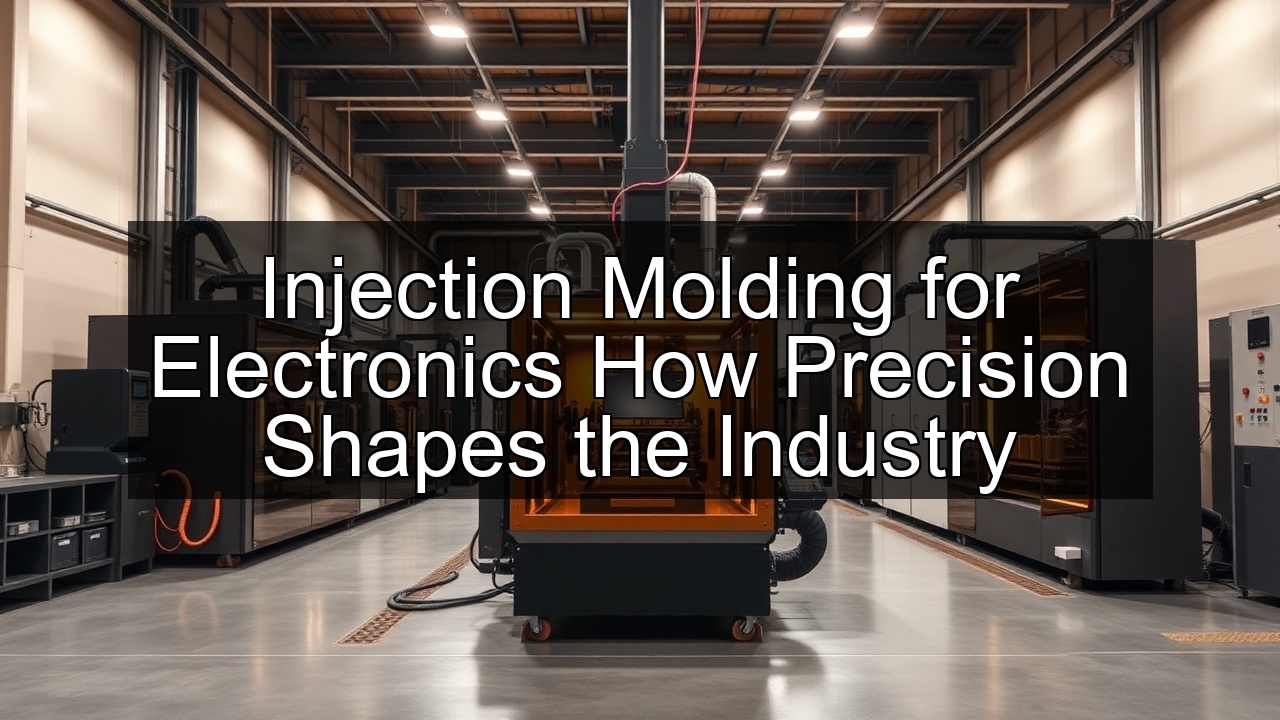
Understanding the Role of Injection Molding in Electronics
The Basics of Injection Molding
Injection molding serves as a cornerstone manufacturing process in the production of electronic housings. This method involves injecting molten plastic into a precisely designed mold, allowing for the creation of complex shapes and detailed features. The process begins with selecting suitable materials, heating them until they become malleable, and then forcing the liquid into a mold. As the material cools, it solidifies into the desired shape. This efficiency in production significantly reduces manufacturing costs while allowing for high-volume output, making injection molding ideal for electronics housing, where consistent quality and precision are paramount.
Why Precision Matters in Electronic Housing
Precision in electronics housing injection molding is not just a luxury; it’s a necessity. Electronic devices frequently house sensitive components that require protection from external forces and environmental factors. Any deviation in the molding process can lead to misalignments, potentially compromising functionality. High precision ensures that housings fit snugly around components, providing structural integrity and protecting against dust, moisture, and mechanical shocks. Additionally, precise dimensions reduce the need for post-processing, minimizing production time and costs while maintaining the integrity of the design. Ultimately, precision molds the reliability and performance of electronic devices.
Materials Used in Electronics Injection Molding
The choice of materials for electronics injection molding significantly influences the performance and durability of electronic housings. Various plastics, including high-density polyethylene (HDPE) and nylon, dominate this space due to their favorable properties. HDPE offers excellent chemical resistance, making it suitable for devices exposed to various environments. Nylon, known for its strength and flexibility, provides robust protection against physical stress. Engineers often select materials based on specific requirements such as insulation properties, thermal stability, and the ability to withstand temperature fluctuations. The right material electronics casing injection molding enhances the longevity and reliability of electronic devices, showcasing the critical role of material selection in the injection molding process.
Key Materials for Electronics Housing
High-Density Polyethylene (HDPE) in Electronics
High-density polyethylene (HDPE) plays a crucial role in electronics housing due to its unique properties. As a thermoplastic, HDPE features a high strength-to-density ratio, making it lightweight yet durable. This material offers excellent resistance to impact, moisture, and chemicals, which is essential for protecting sensitive electronic components. Manufacturers often opt for HDPE when producing housings that require robustness without adding significant weight. Moreover, HDPE can be easily molded into complex shapes, allowing for innovative designs in electronic devices. Its recyclability also aligns with sustainability goals, making HDPE a popular choice in an industry increasingly focused on eco-friendly practices.
The Advantages of Nylon for Electronics Casing
Nylon is another commonly used material in the manufacturing of electronics housings. Known for its superior strength, durability, and flexibility, nylon withstands mechanical stress better than many other plastics. This makes it an ideal candidate for housings that need to endure rigorous use. Nylon's inherent insulating properties also enhance the safety of electronic devices by reducing the risk of electrical shorts. Additionally, nylon can be engineered with various additives to improve its flame resistance and UV stability, further extending its application in diverse environments. As a versatile material, nylon continues to shape the future of electronics casing, enabling engineers to design more resilient and functional products.
Comparative Analysis of Plastics for Injection Molding in Electronics
In the realm of injection molding for electronics, the selection of plastics determines the effectiveness and longevity of electronic housings. A comparative analysis reveals that each plastic type has distinct benefits and limitations. While HDPE excels in chemical resistance, nylon offers higher tensile strength, making it suitable for high-stress applications. Other materials like polycarbonate provide excellent transparency and impact resistance, beneficial for user interfaces. Understanding these differences allows engineers to tailor solutions that meet specific requirements for each electronics housing project. By evaluating factors such as cost, performance, and environmental impact, manufacturers can make informed decisions that enhance the overall quality of electronic devices.
The Injection Molding Process for Electronics Housing
Designing for Manufacturing: Best Practices
Effective design is a pivotal aspect of the injection molding process for electronics housing. Engineers must adhere to best practices to ensure manufacturability and functionality. Starting with a robust design concept that considers material properties, wall thickness, and draft angles can significantly streamline production. Maintaining uniform wall thickness minimizes warpage during cooling and ensures even material flow during injection. Additionally, incorporating features such as ribs and bosses can improve structural integrity without adding excessive weight. Early collaboration between design and manufacturing teams fosters innovation and addresses potential challenges before they arise, ultimately leading to a smoother production process and superior electronic housings.
Quality Control in Injection Molding
Quality control in injection molding is essential to ensure the production of reliable and effective electronics housings. Manufacturers implement rigorous testing protocols throughout the manufacturing process to identify defects early. Techniques such as dimensional inspections, visual checks, and material testing are standard practices. Advanced technologies like automated optical inspection (AOI) further enhance quality assurance by detecting surface defects and ensuring dimensional accuracy. Continuous monitoring and data analysis allow for immediate corrective actions, reducing waste and improving overall production efficiency. By prioritizing quality control, manufacturers maintain high standards and deliver electronic housings that meet or exceed industry expectations.
Innovations in Injection Molding Technology
Technological advancements in injection molding are revolutionizing the production of electronics housing. Innovations such as multi-material injection molding allow manufacturers to combine different plastics in a single mold, enhancing functionality and aesthetics. Techniques like gas-assisted injection molding reduce material usage and cycle times, increasing efficiency. Furthermore, advancements in mold design, such as conformal cooling channels, optimize temperature control and improve product quality. These innovations not only enhance the production process but also lead to the development of more sophisticated electronic devices. As technology continues to evolve, so too does the potential for injection molding to shape the future of electronics manufacturing.
Future Trends in Electronics Housing Injection Molding
Sustainability in Plastic Manufacturing
Sustainability has emerged as a critical focus in the injection molding industry, particularly regarding electronics housing. Manufacturers are increasingly exploring eco-friendly practices, including the use of recycled materials and sustainable production methods. Bioplastics, derived from renewable resources, present a viable alternative to traditional plastics, reducing the carbon footprint associated with production. Additionally, adopting energy-efficient machinery and reducing waste during the manufacturing process contribute to overall sustainability goals. As consumers demand greener products, manufacturers who prioritize sustainability in their injection molding processes gain a competitive edge while contributing positively to the environment.
The Impact of 3D Printing on Traditional Molding
The rise of 3D printing technology is reshaping the landscape of traditional injection molding for electronics housing. While injection molding excels in high-volume production, 3D printing allows for rapid prototyping and small-batch manufacturing. This flexibility enables designers to iterate and test new concepts quickly, streamlining the development process. Moreover, 3D printing can produce complex geometries that may be challenging or impossible to achieve with conventional molding techniques. Hybrid approaches that combine both methods offer manufacturers the best of both worlds, leading to enhanced innovation and efficiency in electronics housing production. As these technologies evolve, they will continue to influence one another, pushing the boundaries of design and manufacturing.
Emerging Technologies in Electronics Injection Molding
Emerging technologies in electronics injection molding promise to enhance efficiency, precision, and sustainability in the industry. Developments in automation, such as robotics and artificial intelligence, streamline production processes while minimizing human error. Smart manufacturing systems equipped with sensors and data analytics facilitate real-time monitoring, allowing for proactive adjustments and predictive maintenance. Moreover, advancements in mold materials and design techniques improve durability and reduce lead times. These technologies not only optimize production but also foster innovation in the design of electronic devices. As the industry embraces these changes, the future of electronics housing injection molding looks brighter than ever, paving the way for more advanced and reliable electronic products.