Why Proper Dehumidification is Crucial for Pool Maintenance
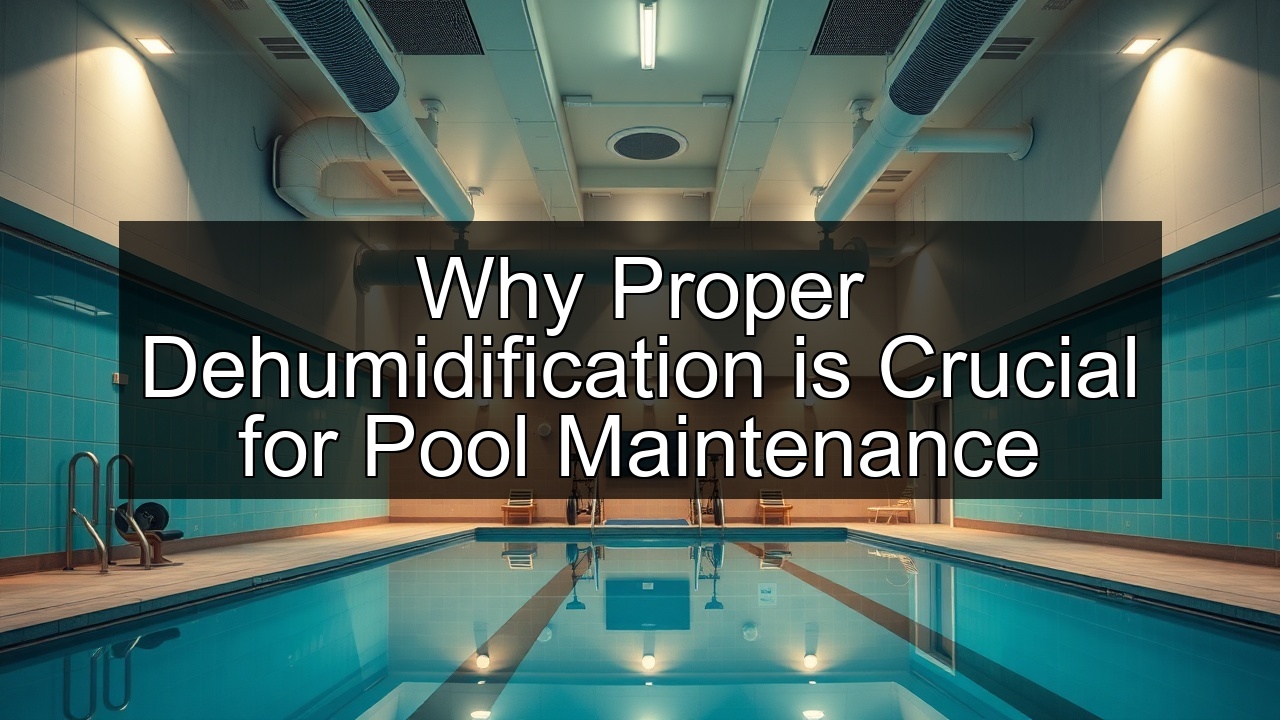
The Importance of Dehumidification for Indoor Pools
Understanding Relative Humidity and Its Effects
Relative humidity (RH) plays a crucial role in the maintenance of indoor swimming pools. Ideal RH levels for indoor pools range between 40% and 60%. When humidity exceeds this range, moisture accumulates in the air, leading to condensation on surfaces like windows, walls, and ceilings. This excess moisture can cause serious damage to structural elements, including cement and wood, and promote the growth of mold and mildew, which poses health risks to swimmers and staff alike. Keeping humidity in check not only protects the physical structure of the pool area but also enhances the comfort of users. High humidity can lead to a sultry environment, making the pool experience less enjoyable. Effective humidity control through proper dehumidification ensures a comfortable atmosphere for swimmers while safeguarding the facility against costly repairs.
The Role of Dehumidifiers in Swimming Pool Maintenance
Dehumidifiers are essential for maintaining optimal conditions in indoor swimming pools. These devices help remove excess moisture from the air, thereby preventing condensation and maintaining a consistent relative humidity level. Various models exist, including desiccant and refrigerant dehumidifiers, each suited to different environmental conditions. Dehumidifiers contribute to the overall health of the pool environment by enhancing air quality and reducing odors associated with high humidity. Regular maintenance of these units is crucial for their efficiency. This includes checking filters, ensuring proper airflow (measured in cubic feet per minute, or CFM), and monitoring performance. An efficient dehumidifier can save energy and operating costs, making it a wise investment for both residential and commercial swimming pools.
ASHRAE Guidelines for Indoor Pools
The American Society of Heating, Refrigerating, and Air-Conditioning Engineers (ASHRAE) provides valuable guidelines for managing humidity in indoor pool environments. These guidelines recommend maintaining specific temperature and dehumidifier for swimming pool humidity levels to optimize comfort and safety. For instance, ASHRAE suggests that the pool water temperature should be kept at a comfortable level, typically between 78°F and 82°F, while the air temperature should be slightly warmer. Maintaining these conditions prevents fluctuations in humidity that can lead to moisture-related issues. Following ASHRAE guidelines not only enhances user experience but also ensures compliance with health and safety standards. Facilities like YMCA and public natatoriums often adhere to these recommendations to provide a safe, comfortable environment for all users, highlighting the importance of professional guidance in pool maintenance.
Types of Dehumidifiers for Swimming Pools
Desiccant Dehumidifiers vs. Refrigerant Dehumidifiers
Choosing the right type of dehumidifier for a swimming pool depends on various factors, including climate and facility size. Desiccant dehumidifiers utilize hygroscopic materials to absorb moisture, making them ideal for cooler climates or spaces with lower temperatures. They operate effectively in lower humidity conditions and can maintain lower relative humidity levels with minimal energy usage. On the other hand, refrigerant dehumidifiers cool the air to condense moisture, making them suitable for warmer environments. These units are often more energy-efficient in larger spaces, making them a popular choice for commercial swimming pools. Understanding the nuances of both types enables pool owners and facility managers to select the best swimming pool dehumidifier for their specific needs, ultimately enhancing moisture control and user comfort.
Commercial Swimming Pool Dehumidifiers: What You Need to Know
Commercial swimming pool dehumidifiers are designed to handle larger volumes of air and greater moisture loads than residential units. These heavy-duty swimming pool dehumidifiers often come equipped with advanced features, such as variable speed fans and integrated heating systems, to optimize performance and energy efficiency. They typically meet or exceed industry standards, ensuring compliance with regulations for public facilities. When selecting a commercial unit, it's essential to consider factors such as the size of the pool area, expected occupancy levels, and specific environmental conditions. Many manufacturers provide options tailored for natatoriums, which often require specialized equipment to manage higher humidity levels effectively. Investing in the right commercial swimming pool dehumidifier ensures a safe and enjoyable experience for all users while protecting the facility from moisture-related damage.
Energy Saving Features in Modern Dehumidifiers
Modern dehumidifiers for swimming pools come equipped with energy-saving features that significantly reduce operating costs. Many units utilize variable speed technology, allowing for adjustments based on real-time humidity levels. This feature ensures that the dehumidifier operates only as needed, conserving energy dehumidifier for pool while maintaining effective moisture control. Additionally, some models incorporate heat pump technology, which can also provide heating and cooling functions, further enhancing climate control while minimizing energy consumption. Look for units with high energy efficiency ratings (EER) to maximize savings. By investing in energy-efficient swimming pool dehumidifiers, facility owners not only cut costs but also contribute to environmentally friendly practices, aligning with broader sustainability goals.
Troubleshooting Common Dehumidification Issues
Identifying Signs of Poor Humidity Control
Recognizing the signs of poor humidity control is vital for maintaining a healthy indoor pool environment. Common indicators include excessive condensation on windows, walls, and surfaces, which can lead to mold growth and structural damage. Swimmers may also notice musty odors, indicating a buildup of moisture. If the air feels clammy or uncomfortable, relative humidity levels may be too high, necessitating immediate attention. best swimming pool dehumidifiers Regular monitoring of humidity levels using hygrometers can help identify issues early on. If these signs persist despite regular maintenance, it may indicate underlying problems with the dehumidifier or the overall ventilation system. Timely intervention can prevent costly repairs and ensure a safe and enjoyable swimming experience.
Best Practices for Maintaining Your Dehumidifier
Proper maintenance of dehumidifiers is crucial for optimal performance and longevity. Regularly check and replace filters to ensure airflow remains unobstructed. Cleaning the unit's coils and external housing helps prevent dust buildup, which can affect efficiency. Additionally, monitor the drainage system to ensure it operates correctly and doesn’t become clogged. Scheduling periodic professional inspections can help identify potential issues before they escalate. Checking the CFM rating of your unit can also ensure it meets the needs of your pool environment. Implementing these best practices not only prolongs the life of your dehumidifier but also ensures effective humidity control, contributing to a healthier indoor pool environment.
Expert Tips on Troubleshooting Dehumidifiers
When dehumidifiers fail to perform adequately, troubleshooting can help identify the issue. Start by checking the power supply and ensuring the unit is plugged in and receiving electricity. Inspect the filter for clogs, as dirty filters can restrict airflow and reduce efficiency. If the unit runs but fails to reduce humidity, assess the CFM rating; it may be inadequate for the space size. Additionally, ensure that the drainage system is clear, as blockages can lead to water accumulation and malfunction. If problems persist, consulting with an expert or technician can provide insight into more complex issues. Keeping a maintenance log can also help track performance and identify patterns that may indicate when professional intervention is necessary.
Innovative Technology in Dehumidification
The Role of Heat Pumps in Climate Control
Heat pumps have revolutionized climate control in indoor swimming pools, offering both heating and dehumidification solutions. These devices operate by transferring heat from the air or water, making them highly efficient for managing temperature and humidity simultaneously. By integrating heat pumps with dehumidifiers, pool facilities can maintain comfortable air temperatures while effectively controlling humidity levels. This dual functionality reduces energy consumption and operating costs, making it an ideal choice for both residential and commercial settings. Furthermore, advancements in heat pump technology have led to enhanced performance in lower temperatures, broadening their applicability across different climates and regions.
NexGen Solutions for Efficient Humidity Removal
Next-generation (NexGen) solutions in dehumidification technology focus on efficiency and sustainability. These innovations include advanced sensors that monitor humidity levels and adjust operation automatically, ensuring optimal performance at all times. Some NexGen units feature smart connectivity, allowing facility managers to monitor and control dehumidifiers remotely. This capability offers real-time insights into humidity levels and energy usage, empowering users to make informed decisions about operation and maintenance. Investing in NexGen solutions not only enhances comfort and safety for swimmers but also aligns with modern energy efficiency standards, contributing to a more sustainable approach to pool maintenance.
Heavy Duty Swimming Pool Dehumidifiers for Natatoriums
Natatoriums, which host indoor swimming pools, require specialized heavy-duty dehumidifiers to manage high humidity levels effectively. These units are built to handle large volumes of air and moisture, ensuring a safe and comfortable environment for users. Heavy-duty swimming pool dehumidifiers often incorporate advanced features such as integrated heating, variable speed controls, and enhanced filtration systems. They are designed not only for performance but also for durability, ensuring they can withstand the demanding conditions of natatoriums. When selecting a dehumidifier for a natatorium, consider factors such as the pool's size, expected usage, and local climate. Investing in a robust unit designed specifically for these environments ensures optimal humidity control and contributes to the longevity of the facility.